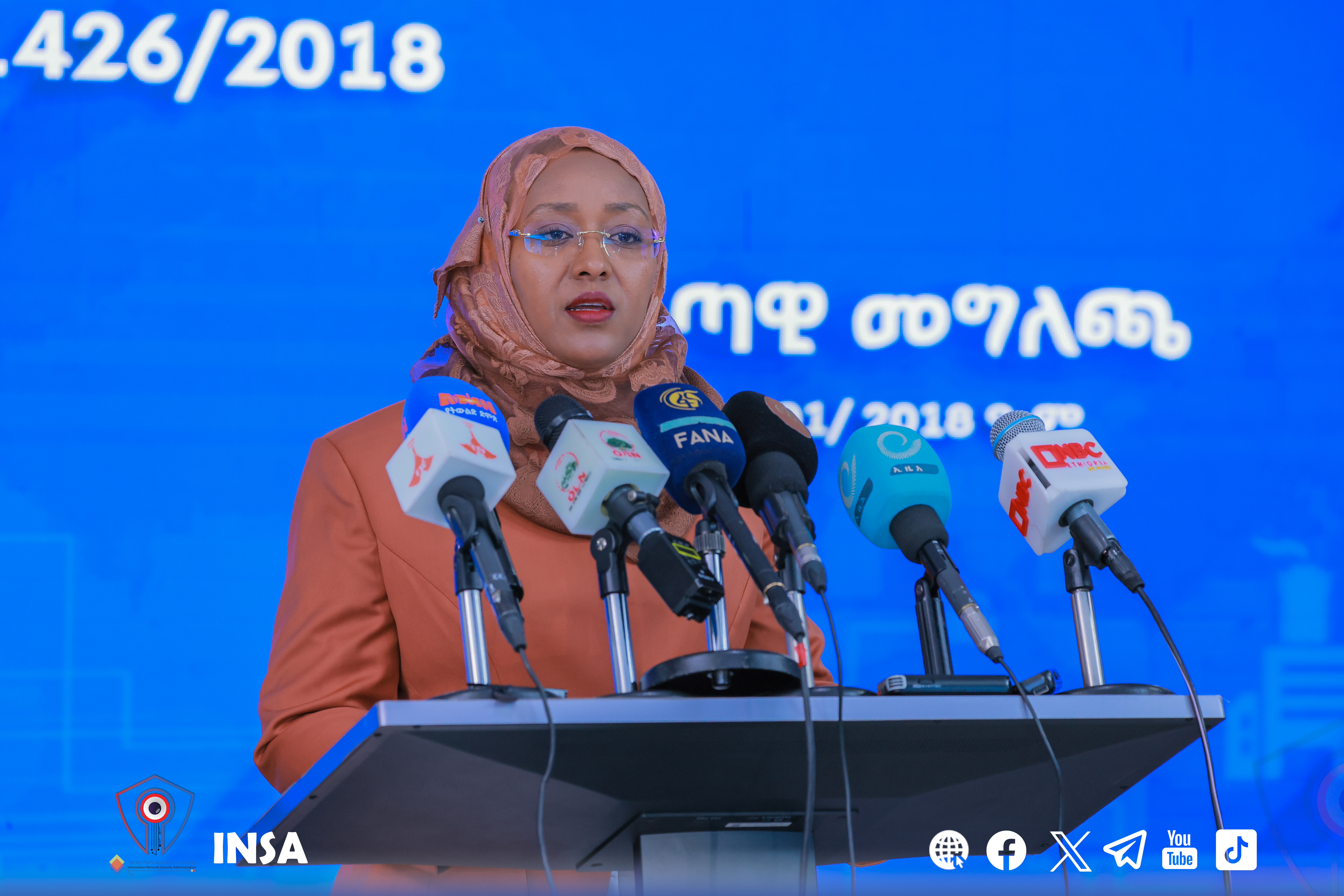
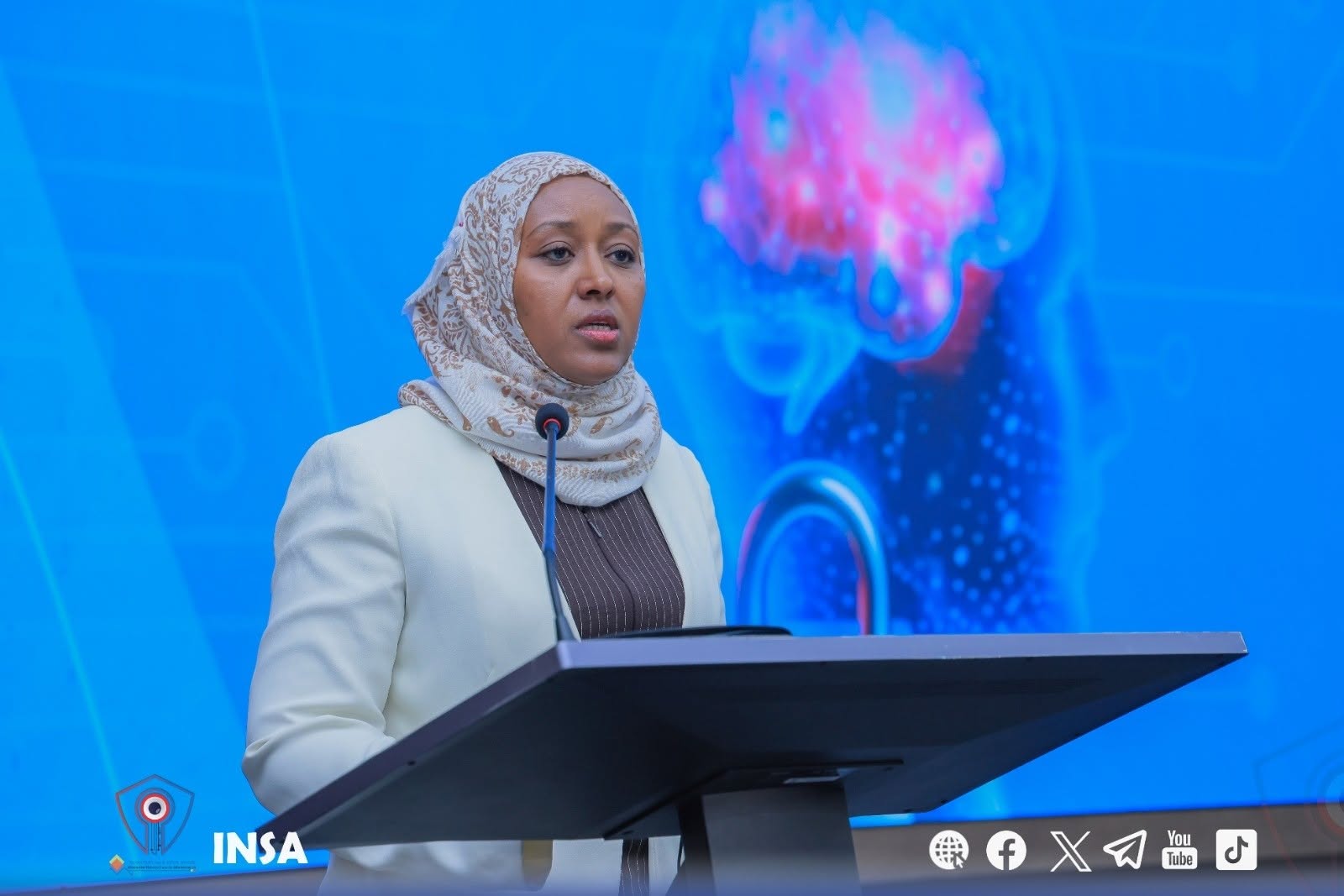
The Director General of Information Network Security Administration (INSA), Tigist Hamid, stated that ensuring a country’s digital sovereignty requires not only modern technology but also safeguarding the mental health and cognitive resilience of the institution’s workforce.
She made this remark while opening a panel discussion organized by the institution under the theme “Our Mental Health in Cybersecurity and the Information Ecosystem.”
According to the Director General, securing a country’s digital sovereignty is not only dependent on advanced technology, but also on the psychological strength and intellectual capacity of professionals.
She emphasized that the cyber environment is fast-paced, highly dynamic, and generates significant work pressure; therefore, protecting the psychological well-being of cybersecurity professionals is not optional but a national obligation.
During the panel, experts in the field participated in extensive discussions. The moderator, Dr. Elias Gebru, noted that mental health is a key determinant of institutional effectiveness and survival, adding that INSA’s initiative should serve as a model for other institutions.
Panelist W/ro Tigist Waltenegus highlighted that mental health begins with attentively listening to the body’s signals. She further explained that coping with information overload and related mental stress in the digital era requires proper use of spiritual, emotional, and social resources.
Mr. Teodros Dilnessa stated that mental health is the foundation of physical health, emphasizing that the mind, like any other organ, can become tired or ill. He urged that seeking mental health support should no longer be stigmatized. He also commended INSA leadership for prioritizing this issue, noting that such support significantly improves decision-making capacity among cybersecurity professionals.
Finally, Mr. Alemayehu Tibe emphasized that in 24/7 institutions like INSA, protecting employees’ mental health is a key indicator of quality and performance. He stressed that this approach should be institutionalized within the organization’s administrative system.
In conclusion, the panel highlighted that supporting employees under high work pressure to maintain healthy and stable mental well-being is essential for achieving better results in the country’s digital transformation journey and should continue to be given strong emphasis going forward.